
Blog
How BDSM Can Aid in Healing From Trauma

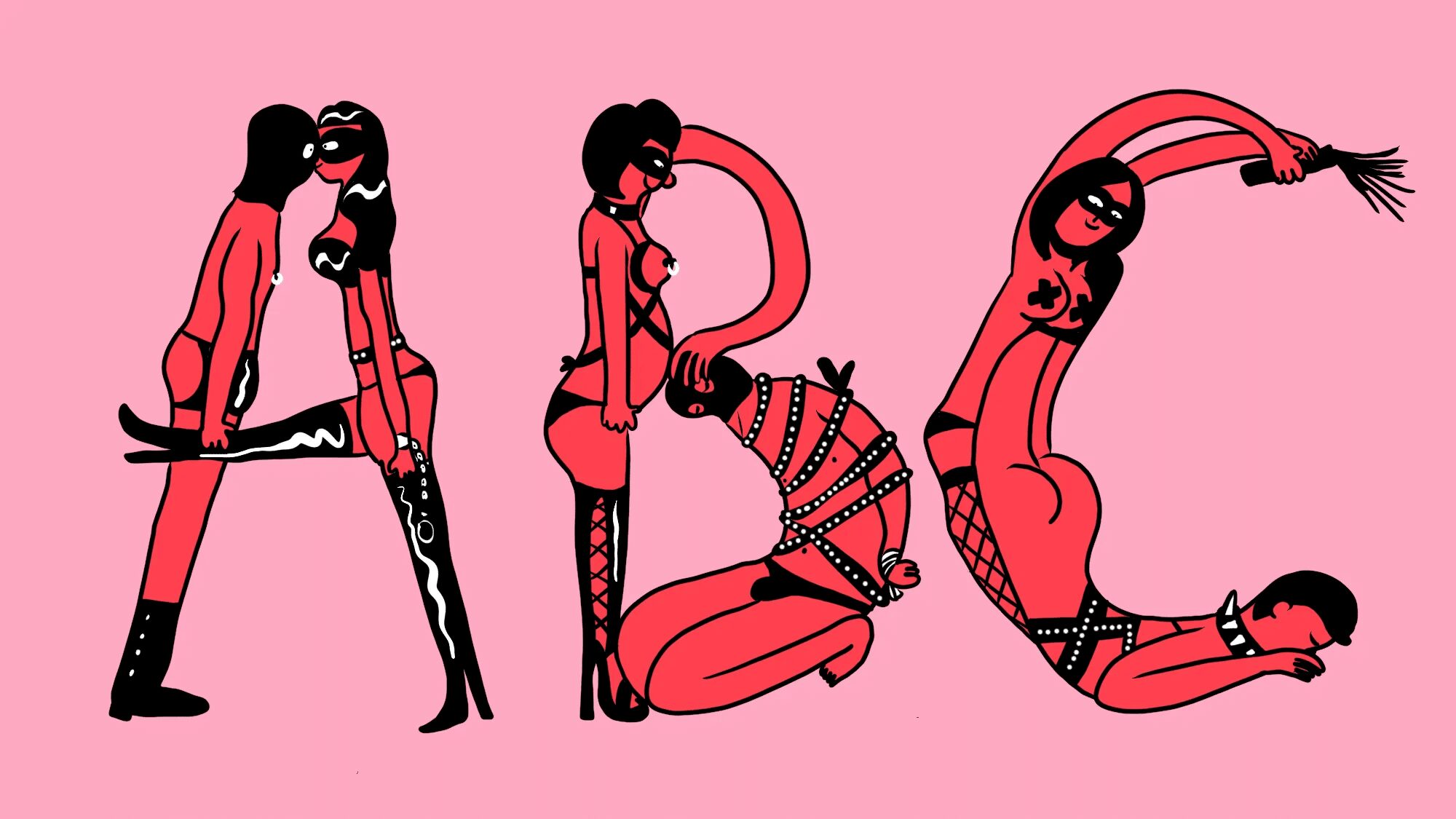

There is an all-too-common (and generally incorrect) concept that individuals who embrace BDSM are traumatized, psychologically sick, or broken in some manner, seductively woven into our cultural narrative. In truth, BDSM, or “bondage, discipline, and sadomasochism,” is a very acceptable thing to be interested in. According to a new study published in the Sexuality and Social Research Journal, persons who participate in BDSM have the same levels of early trauma as everyone else. Kink is OK and healthy as long as everyone participating is a consenting adult and everyone is conscious and safe.
However, some people do utilize BDSM to help them recover from trauma. And there’s no problem with it. “When it comes to trauma, BDSM may be a powerful tool for helping people explore their own feeling of agency and safety,” says Pam Shaffer, MFT, a certified marital and family therapist. “In BDSM, the actions that transpire during a’scene’ between partners are discussed beforehand, and either partner has the option to stop the activity with a’safe’ word.”
In BDSM, there is a lot that can be used to heal (pun intended). Pain play, power dynamics, and roleplaying may all be used as therapeutic techniques to regain control, explore release, and, in the case of sexual trauma, reclaim sexuality. While BDSM is not a replacement for regular conversation therapy, it may be used in conjunction with it. This should be appreciated rather than exploited to exclude a group or alienate trauma sufferers.
How BDSM may assist you in regaining control
Being a trauma victim is demeaning and dissociative in a manner that no words can express. It’s a once-in-a-lifetime opportunity. It separates you from your body, identity, and sense of security in the world. Nothing feels secure when your body doesn’t feel protected. “For many individuals who have been through trauma, [healing] requires first and foremost learning to trust oneself, but also learning to trust others,” says Holly Richmond, Ph.D., a somatic psychologist and licensed sex therapist. “When it comes to sexuality, BDSM and kink are wonderful practice grounds because they demand such careful awareness, decision-making, and conversation before anything starts.”
One of the most crucial things a sexual trauma victim needs, according to Richmond, is to feel in control of their environment and body. “The safest form of sex a person can have is BDSM,” she continues, “since it entails specific communication and limits surrounding what the experience will and won’t entail.” “Trauma is eased and they may relax into pleasure by establishing an environment where they know their wants and needs will be respected—and their boundaries won’t be broken.”


The physical element of BDSM, the tactile sensation, the continual permission, and the aftercare may all help to provide a safe environment for healing from a variety of mental health conditions.
Constant and continuing consent, maintaining within boundaries, and letting everyone to exercise their agency are all highly valued by BDSM practitioners. Even when someone is subservient to a domineering spouse, they are still in command. When you’ve been in circumstances where you didn’t have control over what occurred to you, this may be really effective. It has the potential to be a lovely reclamation.
The BDSM is a supplement to, not a substitute for, trauma counseling done with the help of a trained, trauma-informed therapist. When it comes to recovering from trauma, though, using all of the skills in your toolkit will only help you move forward. BDSM is clearly not for everyone, but if you love it (or even the notion of it), it is available.
BDSM can help with mental health and well-being in general.
The tactile sensation of BDSM, the continual permission, and the aftercare—all of this may offer a safe environment for healing from a variety of mental health conditions. “Stress, anxiety, and sadness all have a significant influence on our sexual health and well-being,” says Daniel Saynt, the Founder and Chief Conspirator of NSFW, a sex- and cannabis-friendly private members club in New York City. “We are less likely to be sexual while we are suffering the symptoms of trauma, which means we are reducing our bodies’ ability to generate feel-good hormones.” Even when we aren’t feeling sexual, BDSM permits us to release these hormones.”
Many individuals enter kink without recognizing the advantages it might have on their mental health, according to Saynt. “Our typical perceptions of kink or BDSM are that it’s all about getting or inflicting pain on others. This is only a tiny part of the bigger picture, which includes enhancing connection with your partner, releasing tension, and entering subspace, which, like meditation, gives the body and mind critical moments of focus.”
BDSM also emphasizes the importance of caring and nurturing in any relationship, no matter how sadomasochistic the scenario may be. Respect for the person with whom you are playing is always emphasized and practiced. After the game is finished, couples participate in aftercare, which entails checking in, snuggling, and/or talking about what happened. It provides closure and a safe haven for everyone to reclaim their balance. This type of care is beneficial to everyone, especially when we have so little in our daily lives. “Kink may help people learn self-acceptance because they have to be vulnerable with other people and build a safe environment for everyone’s emotions,” Shaffer adds. “Kink is essentially about discovery and growth, which is obviously beneficial to one’s mental health and well-being.”
One final thought. If you’re performing kink with a partner, make sure you have the other person’s permission. If you’re working with a professional, be sure they know what they’re doing, are well-liked, and have a reputation for using safe BDSM techniques.
Don’t get me wrong: BDSM isn’t just for healing horndogs and perverts; it’s also for regular horndogs and perverts. Who’s to say we can’t be both at once? In any case, BDSM ought to be celebrated, not shunned.
-
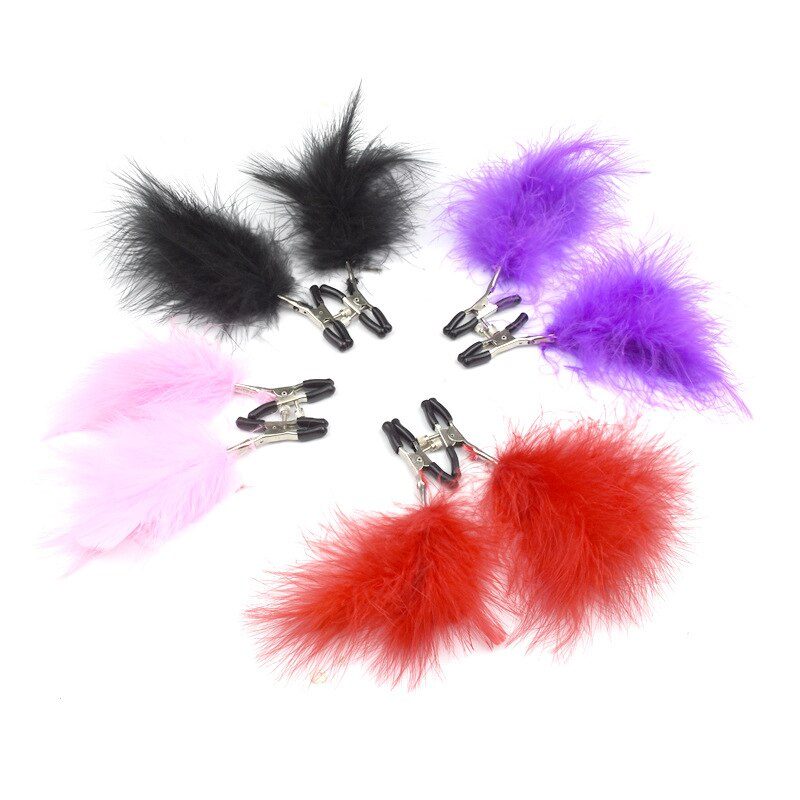
Breast clamp feather steel
₦3000
-
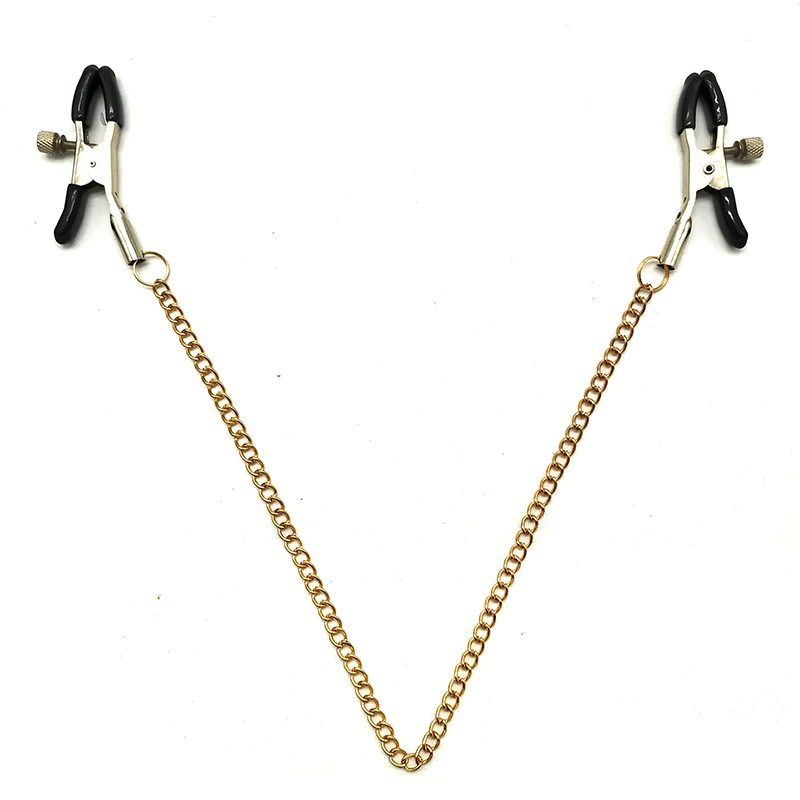
Chain breast clamp
₦3500
-
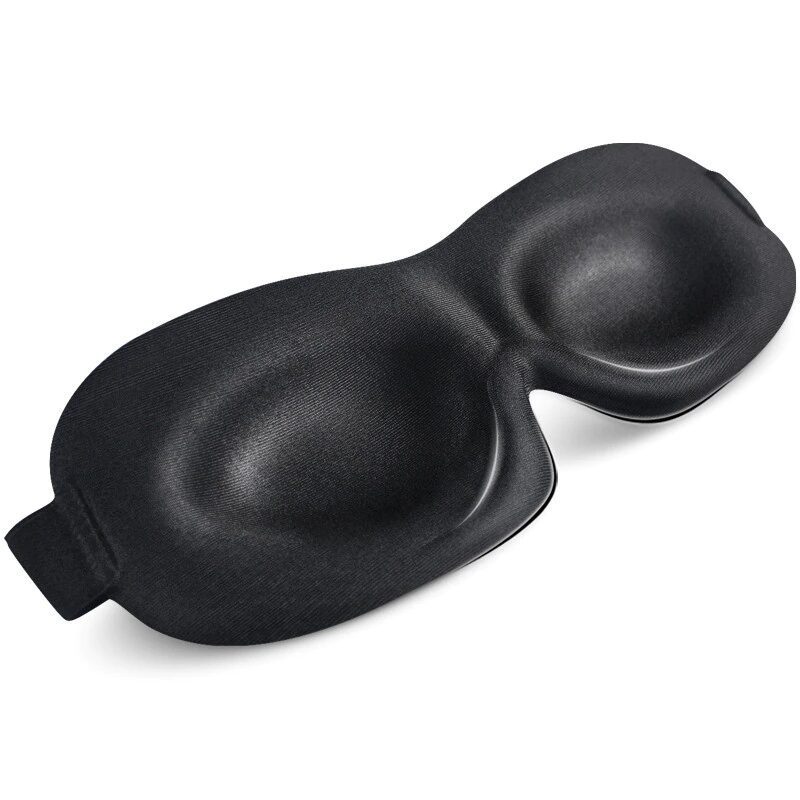
3D Eye Mask
₦3000
-
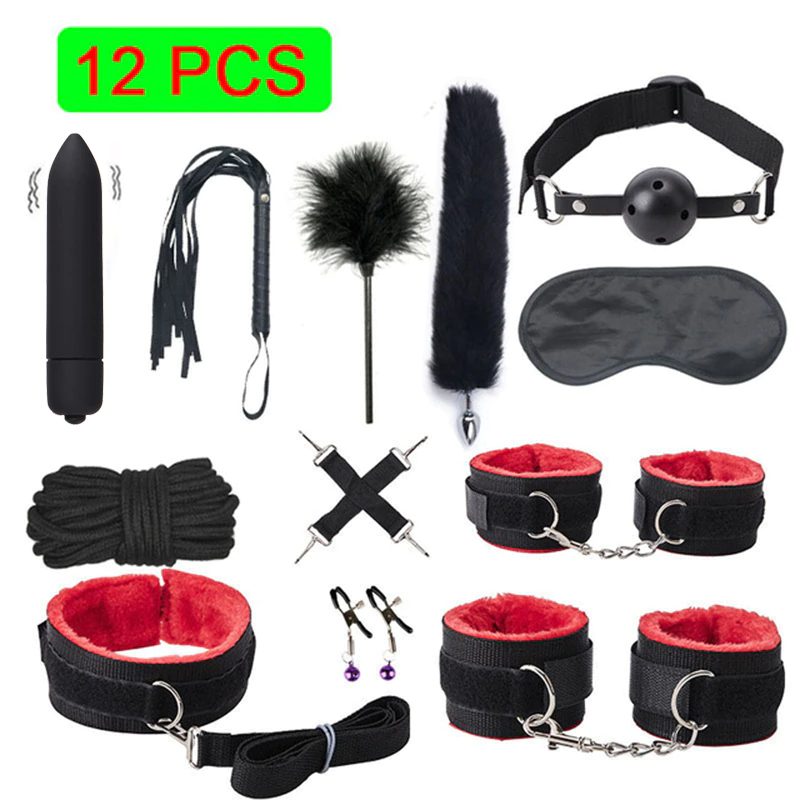
BDSM Kit
₦15000 – ₦18000
-
Sale!
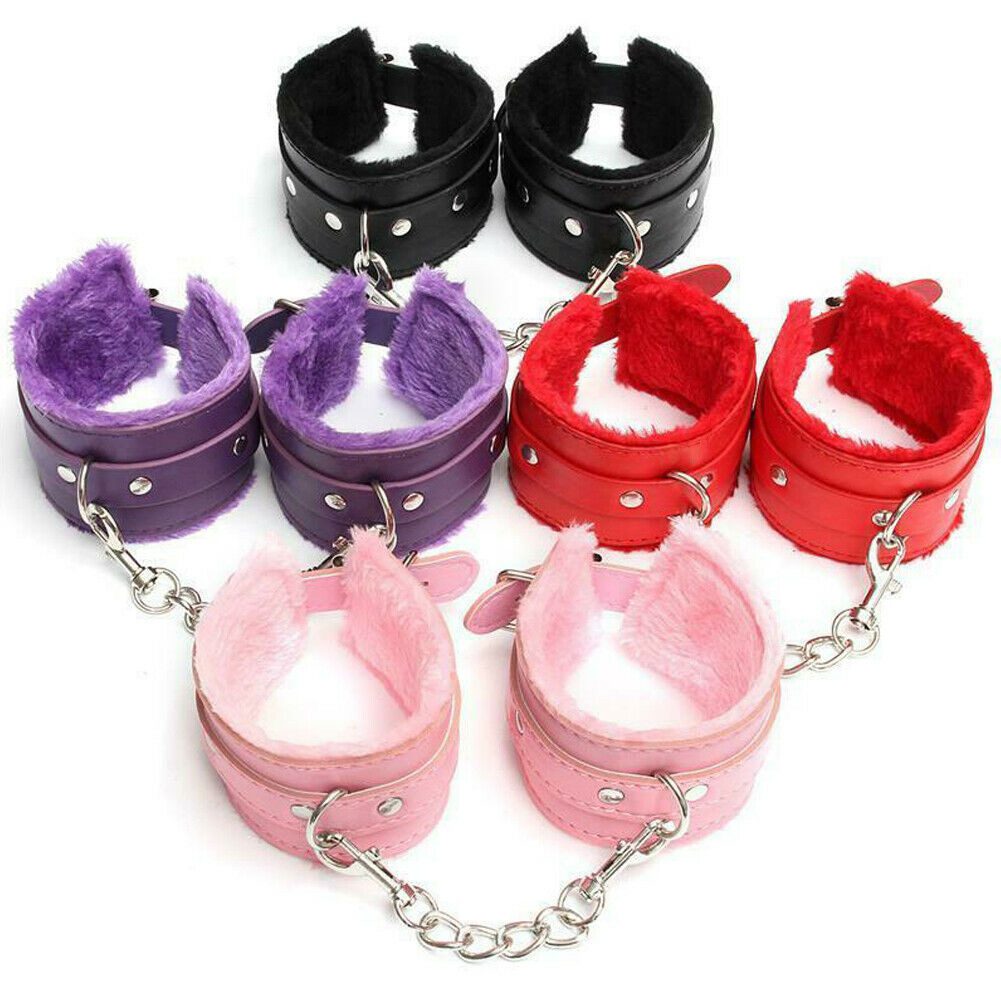
Leather wrist handcuff
₦5500